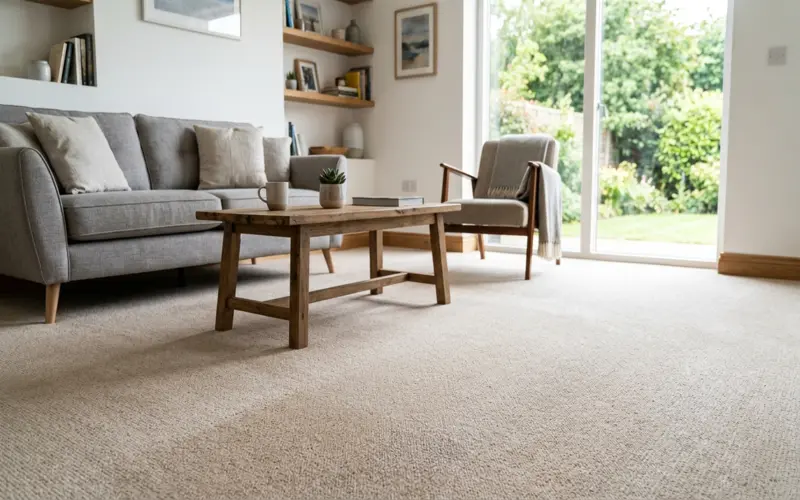
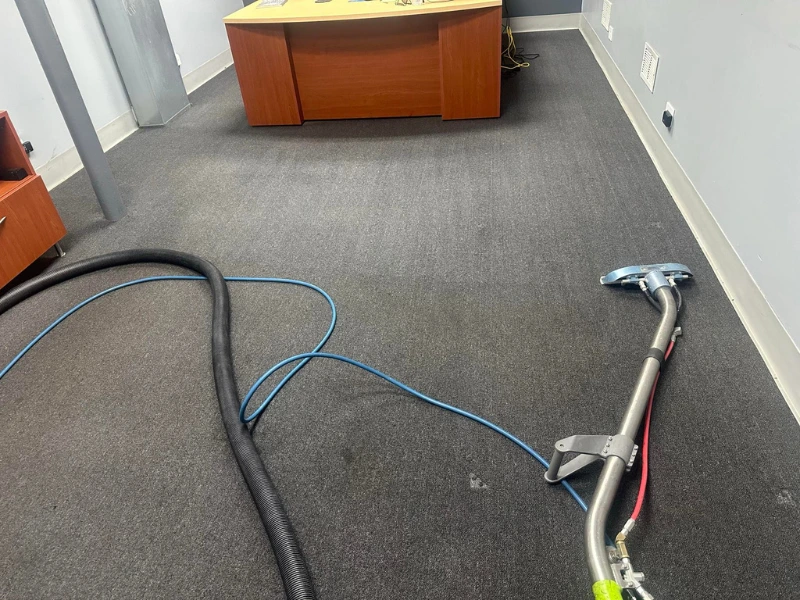
A few days back, we were contacted by a homeowner regarding the condition of their living room carpet. It looked like a traffic map, shady paths appearing where family members or pets roamed between the kitchen and other rooms. The owner sounded sure about the fact that the carpet needed replacing, which wasn’t the case, and remembering this instance, our team decided to share this high traffic carpet cleaning guide.
The reason is simple: having cleaned many carpets in different houses, commercial buildings, and various places, we knew that it didn’t need replacement but a proper cleaning strategy. We firmly believe that the right approach can restore carpets that appear beyond saving.
So, whether you are a concerned homeowner or a facility manager in offices, hotels, churches, and other commercial spaces with carpeted floors, keep reading, and you’ll find some helpful insights from our experts to restore high traffic carpet areas.
Understanding the Challenges of Deep Cleaning High Traffic Areas With Carpets
High-traffic carpet care is challenging as it’s not just about dirt. In our professional opinion, it’s about different factors such as foot pressure, embedded soil, and moisture dynamics. Routine maintenance, for instance, vacuuming high traffic carpet alone can’t address them.
Hence, you must know the specific challenges associated with cleaning high-traffic carpet areas before following a cleaning strategy.
- Persistent Foot Pressure
Carpets in hallways, entryways, or transition paths face extreme foot traffic, especially in the same spot. This continuous foot pressure bends the fabric material, leaving visible indentations. This makes cleaning difficult. Our team believes that many individuals assume this distortion is an indicator of permanent fiber damage and end up spending money to replace the carpet.
- Hidden Dirt
Dirt, grit, and salt, especially in winter, accumulate on carpets, and they get deep into the fabric layers. Once embedded, these particles act as sandpaper, cutting fibers and dulling color over time. In our experience, routine vacuuming fails to remove the hidden particles, and the greyish appearance, which feels like permanent damage, is nothing but a result of abrasion from these soil particles. - Moisture
Shoes trap rain, snow, and liquid spills, which dampen the carpet fabric. Once the moisture penetrates deep, we’ve observed that simple vacuuming becomes ineffective, and the carpet fabric begins to wear off. It requires a professional hand like ours because waiting too long can certainly inflict permanent damage. - Stubborn Stains
Busy areas mean spills are often stepped on before being treated, which drives residues deeper into the fibers. Oils, coffee, and food traces bond fast with fabric, making carpets resistant to surface cleaning. Our team regularly encounters such carpets with untreated spills in places such as homes, office corridors, or church aisles, where simple spills turn into “stubborn carpet stains” that routine methods can’t resolve. - Misinterpretation of Appearance
Carpets in high traffic areas are often misread. Homeowners or facility managers notice compressed areas and call us, convinced that the carpet is damaged and needs replacing. In reality, our team has restored such carpets using suitable cleaning methods.
High Traffic Carpet Cleaning Guide: Pro Tips for Busy Owners and Facility Managers
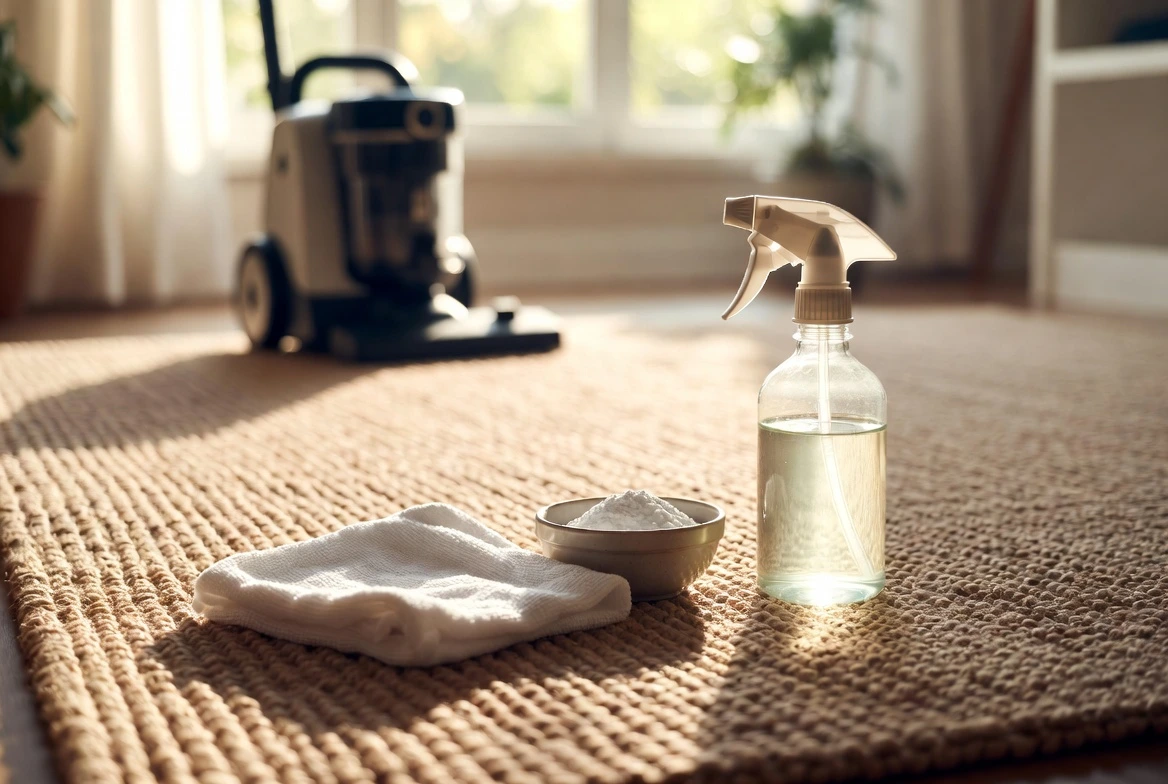
According to our carpet cleaning experts, every effective high traffic carpet cleaning guide begins with gathering the right tools. So, make sure you have a vacuum with strong suction, a mild carpet‑safe solution, cloths, warm water, and proper ventilation.
For spaces, their in-house cleaning teams should use the latest tools if possible. It’s also equally important to know the carpet fabric type to use the right cleaning solutions. Let’s have a closer look at the tips to clean the carpet placed in a highly active area:

Step 1: Prepare the Area
Always clear space by removing shoes, toys, and movable furniture. In offices, schools, or large facilities, facility managers should coordinate with crews to clean in sections if heavy furniture must stay in place.
Why we recommend this: Advanced preparation covers each spot and ensures consistent drying across the area. In larger spaces, cleaning takes more time, and advanced preparation can help reduce downtime.
Step 2: Vacuum the Area
Use a vacuum with strong suction and clean filters. Work slowly, in overlapping passes, and change direction to lift soil from different angles. Facility managers should ensure their in-house cleaning crew focuses on entryways, corridors, and gathering spaces where soil builds quickly.
Why we recommend this: Routine vacuuming removes loose soil and allergens, minimizing the chances of dirt penetrating deeper layers of padding.
Step 3: Pre-treat Stains
For visible stains, blot first, then apply a fabric‑safe cleaning solution. Allow a few minutes of dwell time before deep cleaning. In large spaces, managers can expect their in-house crews to mark treated areas to avoid overlap while ensuring every stained spot is cleaned.
Why we recommend this: Pretreatment of stains reduces the chances of them setting permanently into carpet fabric.
Step 4: Apply Cleaning Solution
A simple natural remedy can help clean carpet, just mix warm water with a diluted vinegar or a few drops of mild dish soap to help break down light soil and neutralize odors.
Always test on a hidden area first to avoid discoloration issues. Commercial spaces and other areas benefit from cleaning solutions that work without leaving sticky residues.
Why we recommend this: Cleaning with a proper solution eliminates residues and refreshes the carpet.
Step 5: Thoroughly Dry
Let carpets dry naturally. Keep windows open, ceiling fans on, or direct airflow with portable fans for fast drying. In facilities, managers can use the HVAC system to improve airflow and dry carpet faster.
Why we recommend this: Proper drying minimizes the risk of mold and mildew growth in carpets.
How Pros Use Safe Methods to Clean High Traffic Carpet Without Damage
DIY carpet cleaning can work, but results are often temporary, and errors are common. High‑traffic areas demand more precise care, which is only possible if pros do it. Here’s how we approach cleaning these challenging areas with our proven stepwise method:

1. Eco-treatment
We begin this phase using a plant‑based solution designed to break down embedded soil, dead skin cells, and stains. It’s safe for kids, pets, and most carpet types.
The process loosens buildup that routine vacuuming misses, preparing fibers for deep carpet cleaning. Our team also makes sure that those are not used on delicate materials.
2. Agitation
After eco-treatment, our team of carpet cleaning specialists uses controlled agitation to work the solution deep into the fibers. This helps clear chunks of hair, grit, and debris while evenly distributing the solution.
Once agitation is completed, it lifts soil from the base of the pile. Our team carefully adjusts this method based on carpet type to avoid fiber distortion.
3. Extraction and Rinsing
After allowing proper dwell time, we rinse and extract the carpet. This step removes loosened soil and any previous residues, leaving carpets balanced at a neutral pH.
You can expect a visible transformation once the fibers are restored to a residue‑free state. Carpets gain the capacity to withstand re‑soiling and maintain a healthier indoor environment.
Once our team is done with these steps, you’ll observe a refreshed look, that too before the carpet dries. Our methods are meticulous, and cleaners are well-trained. So, you can trust us for cleaning your carpets placed in high-traffic areas.
DIY vs Professional High Traffic Carpet Cleaning
| Parameter | DIY Cleaning | Professional Cleaning |
|---|---|---|
| Equipments and Solutions Used | Household vacuums, rental machines, mild solutions | Industrial vacuums, advanced extractors, eco-safe formulas |
| Effectiveness | Improves surface appearance (suitable for light stain removal) | Deep soil extraction, fiber restoration, pH balance |
| Coverage | Works for small to medium areas; limited efficiency in large facilities | Right choice for extensive spaces, consistent results across multiple rooms |
| Drying Time | 6 to 12 hours, depending on ventilation | Typically, 2 to 4 hours with controlled airflow systems |
| Longevity of Results | Temporary; carpets re-soil quickly in high-traffic zones | Longer-lasting cleanliness, reduced re-soiling, and extended carpet life |
| Limitations | Errors in dilution, uneven cleaning, and incomplete stain removal | Professional expertise minimizes errors, and tailored methods for carpet type |
How Often to Clean High Traffic Carpet Areas?
Regular care ensures carpets remain durable, clean, and bright across both homes and large establishments. As professional carpet cleaners, we recommend a well-planned schedule for preventing wear in high traffic carpet areas and extending its lifespan.
So here’s our recommended carpet cleaning frequency:
- Daily/ Weekly Cleaning
Vacuum daily in spaces such as offices, schools, hotels, and churches, and at least several times per week in active homes with kids or pets. Spot‑treat spills immediately in both environments to prevent permanent staining, especially in areas prone to the worst spills on carpet, such as entryways, cafeterias, or living rooms. - Bi-annual Cleaning
For places such as offices, schools, hotels, and other large areas, schedule professional deep cleaning every 3 months to keep carpets resilient under heavy use. In busy households, a bi‑annual schedule (every 6 months) is our recommendation to manage soil, allergens, and wear. - Annual Cleaning
Some carpeted areas only transform into high‑activity zones during sudden gatherings or when unexpected visitors arrive. In such rare situations, an annual deep cleaning is sufficient, ensuring fibers remain fresh without over‑treating spaces that observe occasional high foot traffic.
This cleaning frequency is adjustable and subject to how well you maintain your carpet area between deep cleans. However, even with regular care, high‑traffic zones are prone to the worst spills on carpet and extreme soil buildup that are tough to deal with using regular methods.
You may not realize it, but expert care becomes essential in such cases. Below are instances where our team feels mandates professional expertise:
- Recurring odors that linger even after thorough DIY cleaning.
- Compacted fibers in walkways or entry points that no longer lift with normal vacuuming.
- Stubborn stains are formed from food, drinks, or ink that don’t respond well to self-cleaning methods.
- Dull or uneven appearance despite executing carpet maintenance tips.
- Allergen buildup causes issues such as sneezing or discomfort, especially in homes with pets or buildings with heavy foot traffic.
- Moisture issues leading to mold risk because of spills or improper drying.
Final Views on High Traffic Carpet Cleaning and Why Consider Us
Our high traffic carpet cleaning guide can help maintain carpet fabric without causing damage. DIY care plays a massive role in regular maintenance, but results are often temporary. Daily vacuuming, bi‑annual or annual deep cleans also help, but they cannot replace the accuracy of professional methods.
The Green-Gen Carpet & Fine Rug Cleaning team delivers the best professional carpet cleaning services. Our team of certified experts utilizes green solutions, safe techniques, and modern equipment to break down deeply embedded soil, stains, and allergens. Your carpet will shine bright and feel fresher.
Give us a call to book your carpet cleaning appointment with pros like us.
FAQs
Q. Should I consider deep cleaning high traffic carpet after winter?
Eco‑friendly carpet care after winter is wise. High‑traffic areas trap salt, moisture, and dust, so choosing green cleaning solutions and professional deep extraction ensures fibers stay healthy, and indoor air quality gets better.
Q. What not to do after carpet cleaning near busy areas?
Avoid walking on damp fibers or dragging furniture. Heavy foot traffic or weight can cause resoiling, matting, and slow drying, reducing the effectiveness of the professionally cleaned area.
Q. How much does cleaning a high traffic carpet cost?
On average, one can expect the prices to range between $100 to $300 per room, with larger or heavily soiled areas possibly costing more. Get a free quote from us to get services at affordable rates.
Q. Why does my carpet look dirtier after cleaning?
Carpets look dirtier after cleaning when deep soil resurfaces during drying or if leftover detergent residue attracts new dirt. Proper rinsing, balanced pH, and thorough drying are key to preventing such post‑cleaning issues.