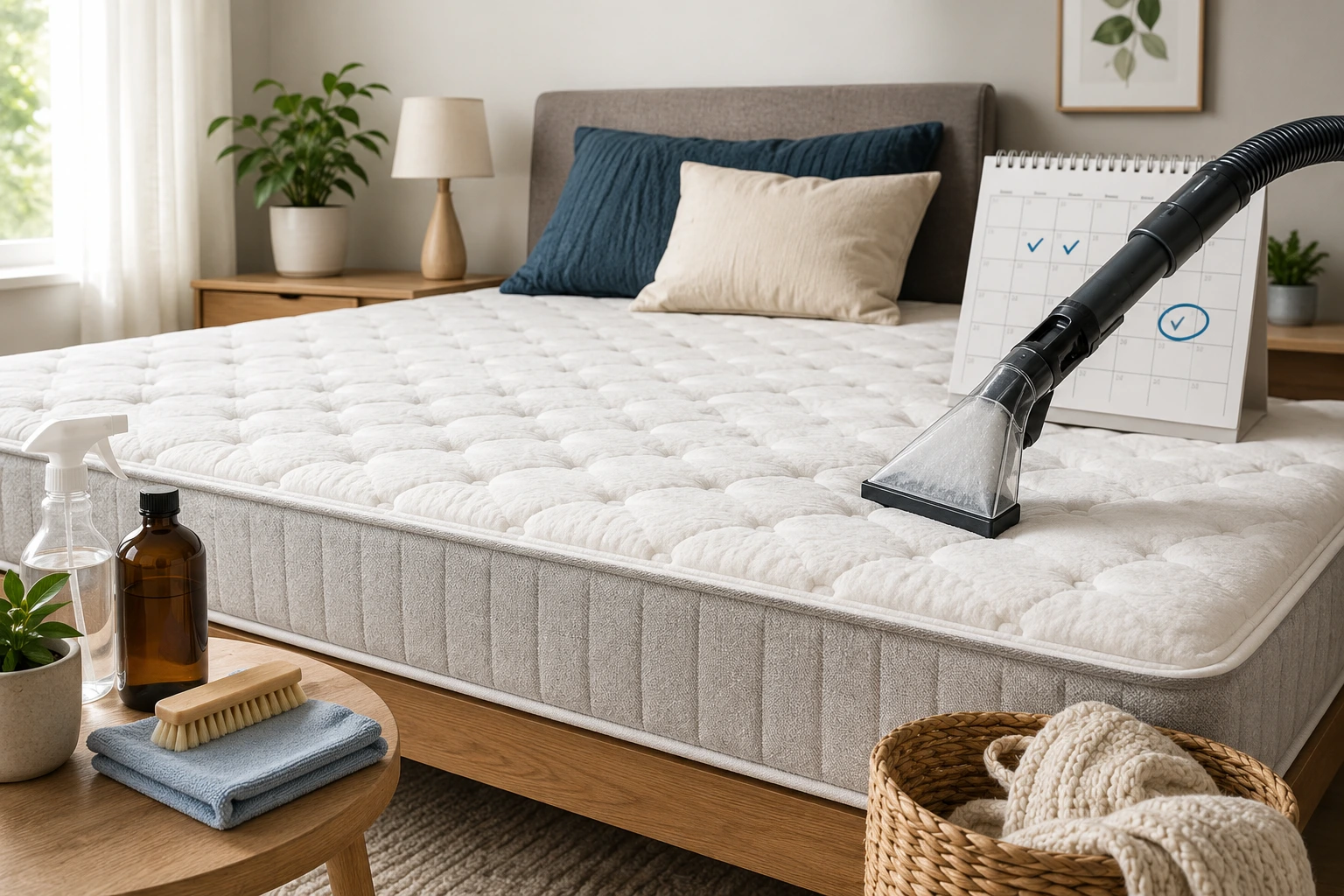

Allergies are the worst, and as a homeowner, you know how sneezing, itchy eyes, and nasal congestion seem to flare up right inside the living room. Upholstered furniture often hides dust mites, pet dander, mold spores, and other allergens deep within its fibers, making daily comfort a challenge. That’s why a deep upholstery cleaning for allergies becomes a necessity.
In this upholstery cleaning guide for allergy sufferers, you’ll find useful steps and methods for reducing dust mites in furniture, tackling hidden dusty irritants that regular methods miss, followed by maintenance tips, and when to call the professionals.
Understanding the Allergens in Upholstery
Before understanding the steps of upholstery cleaning, you need to recognize the allergens causing allergic crises, such as a runny nose, sneezing, watery or itchy eyes, coughing, nasal congestion, and asthma issues in the house.
Here are some of the common allergens that you frequently encounter:
-
Dust Mites
Dustmites are microscopic insect-like pests found in house dust, feeding on bits of dead skin shed by pets or humans. They thrive in areas with mattresses, upholstered furniture, bedding, curtains, and carpets, spreading allergies.
-
Mold Spores
Upholstery traps these allergens in high, humid conditions. A damp fabric can also allow mold spores to grow. Once these spores settle, they multiply and trigger various respiratory issues.
-
Pet Dander
Pets shed tiny flakes of skin, leave urine, and drop saliva, which easily embeds in upholstery furniture. The fabric fibers and cushions that accumulate pet dander release allergic proteins into the atmosphere, triggering allergic symptoms.
-
Pollen
An open door or window allows these outdoor allergens to settle on the upholstery of furniture. Once pollen gets trapped in the fabric, it lingers, causing allergic issues.
These allergens are not only limited to upholstery; they are also commonly found in carpets, where they can build up over time and affect indoor air quality, which is why carpet cleaning also reduces allergens is an important part of maintaining an allergy-free home.
A Stepwise Deep Upholstery Cleaning Guide for Allergy Sufferers
You know the allergens responsible for creating allergic issues; let’s explore different steps and allergy-safe upholstery cleaning methods that help to secure your living environment:

Step 1. Identify the upholstery fabric
Checking the upholstery tag is crucial to picking a safe cleaning method. The reason is simple: each fabric responds differently to water, heat, and other cleaning solutions. For instance, a cotton slipcover is washable, whereas a leather-based material may sustain damage from water contact.
Step 2. Pre-vacuum of the upholstery fabric
Ordinary vacuum blows dust back into the air. Use a HEPA vacuum with upholstery attachments to clear dust mites, pollens, pet dander, and other dust particles. Doing this lays out a nice path for deep-cleaning the upholstery.
Step 3. Pick a cleaning method based on the fabric
Matching the cleaning method with fabric type minimizes the risk of upholstery damage. Hot water kills mites, vinegar helps neutralize the allergens, and proper cleaners safeguard the surface.
- Consider machine washing for removable slipcovers and cushion covers. Clean these covers with hot water at approximately 130°F to remove dust mites.
- Spot clean directly on the furniture for non-removable fabrics. Use a mild fragrance-free detergent or a water and vinegar mixture, and gently dab the surface with a cloth to eliminate allergens.
- If you own a steam cleaner, use it on cotton, microfiber, or synthetic upholstery. The heat loosens the dirt and neutralizes dust mites.
Step 4. Dry the upholstery
Removing moisture is essential as a damp fabric allows mold growth, releasing new allergens into the house and worsening allergic reactions. Dry the upholstery using fans, open windows, or a dehumidifier. You can also try hanging the covers in sunlight or a well-ventilated area for quicker drying.
Tips to Preserve Upholstery Freshness
Now that you know the steps of how to remove allergens from upholstery using different methods, it’s essential to back these cleaning efforts with precautionary measures for long-term results. Consider the following maintenance tips:
- Regular vacuuming removes surface dust and allergens by preventing buildup in fabric fibers, keeping upholstery fresher.
- Use allergen‑proof covers to block dirt, dust mites, and dander from entering mattresses and cushions, lowering direct contact with allergens.
- Maintain humidity levels to stop mold, mildew, and dust mites from thriving in moist upholstery and indoor areas.
- Keep air purifiers in the house to capture airborne allergens like pollen, pet dander, and fine dust, improving overall indoor air quality.
- Restrict pet movements on upholstered furniture to minimize fur and dead skin shedding, decreasing allergens in fabrics.
When to Call a Professional Upholstery Cleaner
The DIY steps may not provide the desired outcome. If you are looking for signs to schedule an upholstery cleaning, look for persistent allergic symptoms, mold reappearance, or damaged fabric. Here’s what you can expect from a professional to improve your upholstery:
- Utilize steam extraction for removing allergens set deep within the fabric.
- Apply fabric-specific solutions that match the fabric type and avoid discoloration or possible damage.
- Provide specialized care for sensitive fabrics such as wool, leather, or velvet.
- Deliver long-lasting freshness with thorough fiber grooming and finishing.
Get a Professional Upholstery Cleaning Service to Make Your House Allergy-Free
The upholstery cleaning guide for allergy sufferers showed you steps to reduce dust mites, pet dander, and mold spores in upholstered furniture. Yet, when allergens settle deep, only specialized methods can restore the environment, making professional upholstery cleaning for allergies the most trustworthy solution.
At Green-Gen Carpet & Fine Rug Cleaning, our IICRC-certified technicians use industry-leading equipment and eco-friendly yet powerful upholstery cleaning products to restore, refresh, and renew your furniture. We specialize in cleaning all types of upholstery materials without compromising the furniture.
Call us now for deep cleaning your upholstery and removing troubling allergens.
FAQs
Q. How often to clean upholstery for allergies?
For allergy sufferers, consider weekly upholstery vacuuming and deep cleaning monthly, with professional services every 12 to 18 months.
Q. How long does it take upholstery to dry after cleaning?
It takes roughly 4 to 24 hours for upholstery to dry after cleaning, depending on fabric type, cleaning method, and room ventilation. You can use fans, dehumidifiers, or open windows to speed up drying.
Q. What is the best home remedy for cleaning upholstery?
The best home remedy to clean upholstery is using a mixture of baking soda and a vinegar‑water solution, which helps absorb odor trapped in material fibers and lift embedded dirt from cushions and padding.