After months of heavy winter heating, your HVAC system in the house has probably circulated dust, pet hair, and other airborne particles throughout your home. That’s why air duct cleaning in spring is considered the ideal reset opportunity. It clears out dust buildup before summer begins. Additionally, spring also marks the start of allergy season.
Pollen and allergens in ventilation systems can trigger respiratory issues. Planning air duct cleaning in spring helps prevent dust buildup in air ducts, stop mold growth, and improve indoor air quality. Consider it a proactive measure that ensures cleaner, healthier air for your family as the seasons shift.
Continue reading this detailed article to deep dive into the specifics of why spring is the best time for air duct cleaning, the benefits, and how professionals can help.
Why Air Duct Cleaning in Spring is Ideal: 5 Reasons and Benefits That Explain It
Spring is the best time for air duct cleaning, cleaning winter dust, and preparing your HVAC for the upcoming pollen season. This seasonal air duct cleaning improves airflow, reduces allergens, and provides ample benefits.
But before we have a peek at the spring duct cleaning benefits, let’s understand the reasons justifying the need for this seasonal air duct cleaning:
• Winter dust accumulation
Continuous heating during winter causes dust accumulation in air ducts. Also, closed homes trap pet hair in air vents and dander inside ductwork. Together, these irritants restrict airflow and worsen allergy symptoms.
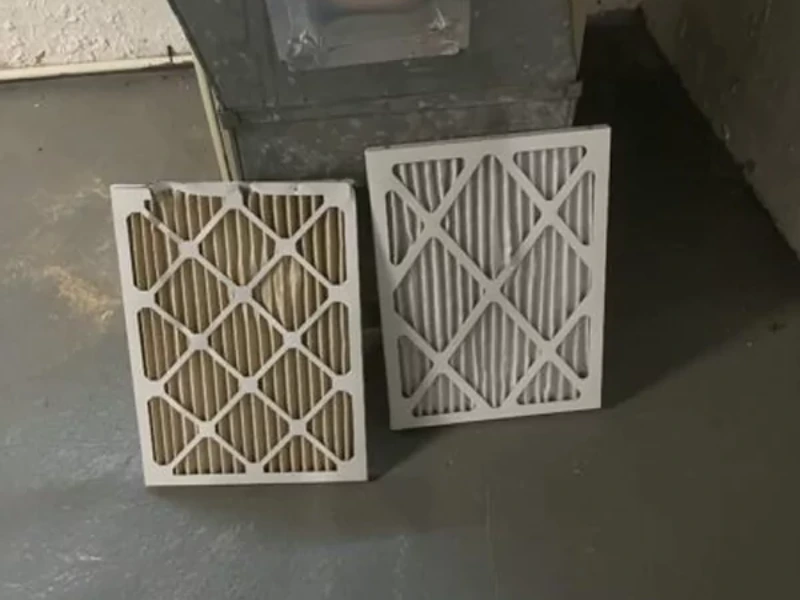
Timely ductwork dust removal clears such particles and allergens, reduces filter strain, and delivers cleaner, more consistent airflow throughout the home.
• Risk of pollen and allergens circulation
When AC systems are on during summer, pollen and allergens in ventilation systems will spread rapidly, elevating asthma and allergy issues, especially if not cleaned in spring. Air duct cleaning helps prevent spring allergies, providing relief during peak pollen months.
• Mold spores growth
Dampness inside ducts enables microbial growth, forming ideal conditions for mold spores to thrive. Mold prevention in HVAC ducts eliminates hidden moisture pockets, and spring cleaning is needed to protect respiratory health before summer humidity kicks in.
• High energy consumption
Dust and debris accumulated in winter restrict airflow, pushing systems to work harder to maintain comfortable temperatures. The excessive strain on mechanical components elevates energy consumption and mandates thorough duct cleaning in the spring.
• Soot and combustion residue
During winter, fireplaces or other heating sources release fine soot and combustion residues. They settle inside ductwork, coating surfaces, and mixing with dust. This buildup can emit unpleasant odors, reduce airflow efficiency, and compromise indoor air. Cleaning is essential to secure the HVAC system.
Benefits of Cleaning Air Ducts After Winter
You observed the instances suggesting the need for air duct cleaning in spring. The reasons make a strong case, and it’s worth considering when it delivers noticeable benefits. Let’s check out the benefits of air duct cleaning during spring:
1. Improved Indoor Air Quality
Spring duct cleaning directly impacts the indoor air quality. It clears pollutants that accumulate during winter. In addition, removing pollen and allergens in ventilation systems reduces seasonal allergy flare‑ups, while clearing dust buildup in air ducts and pet hair in air vents prevents irritants from recirculating.
Together, these effects deliver fresher, healthier air that supports easier breathing and a cleaner home environment.
2. Better Airflow
Air duct cleaning removes dust buildup, pet hair, and winter debris that clog ductwork. This restores unrestricted HVAC airflow efficiency. Cleaner passages allow air to circulate evenly through rooms, reducing strain on the system, lowering energy costs, and providing consistent comfort throughout the home.
3. Cost Savings and Extended Life
Better airflow allows HVAC systems to operate at peak performance. This increase in HVAC airflow efficiency reduces energy bills, lessens strain on components, and extends system operational life.
Homeowners benefit from longer filter cycles and encounter fewer maintenance issues, making seasonal HVAC maintenance a smart investment.
4. Mold Prevention
Mold prevention in HVAC dust is possible with spring cleaning. The moisture pockets left from winter are easily cleared. It also prevents spores from developing and spreading during humid summer months, securing respiratory health and keeping ductwork safe.
5. Ultimate House Comfort
When dust, mold, or pet hair gets trapped in air vents and remains through winter, it often releases stale odors once the HVAC system starts up. Air duct cleaning in the springtime removes these particles, leaving the home smelling fresher.
With cleaner ducts, surfaces collect less dust, and airflow feels right, fostering a welcoming environment throughout summer.
How is Professional Air Duct Cleaning in Spring Done?
The benefits of spring cleaning may tempt you to clean air ducts yourself, but it won’t be effective. Accessibility is the real challenge, not effort. That’s why it’s worth analyzing how professionals handle air duct cleaning in spring for a thorough, lasting result.
Step 1. Inspection and Assessment
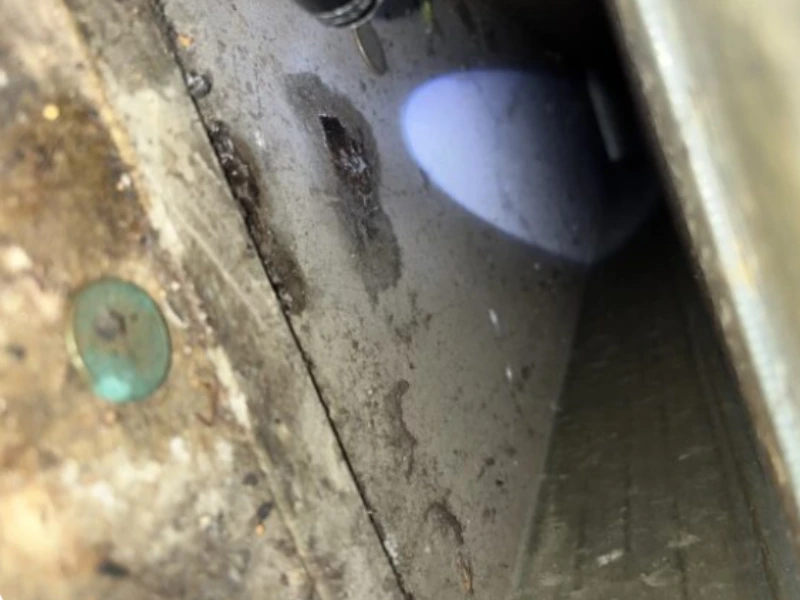
Technicians begin with a full HVAC inspection to outline the cleaning strategy. Using cameras, they check for dust buildup in air ducts, visible mold, pest activity, disconnected ductwork, or construction debris. This pre‑cleaning step documents conditions before photos, ensuring homeowners notice the obvious transformation.
Step 2. Home Protection and Preparation
During spring HVAC duct cleaning, expect technicians to shield floors and furniture, seal registers, and shut down the system. Access points are created and resealed, ensuring pollen, dust, and debris remain contained so your home remains clean throughout the seasonal air duct cleaning process.
Step 3. Suction Setup
The backbone of professional air duct cleaning is upholding continuous negative pressure. Industrial vacuums, truck‑mounted or portable ones, are attached to the main trunk line to drag loosened dirt into vacuum filters. As per NADCA standards, negative pressure must be maintained throughout the process to stop particles from re‑entering the home.
Step 4. Agitation
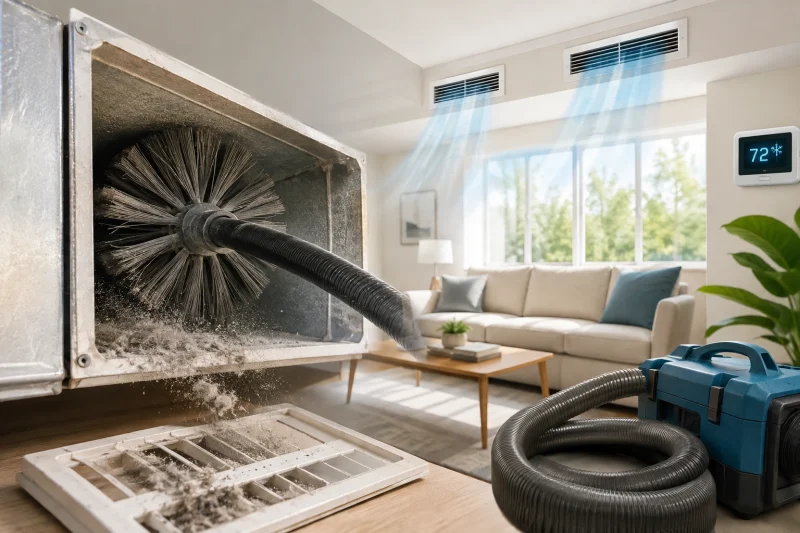
Specialized tools are used to clean stubborn residues. Rotary brushes, air whips, compressed air nozzles, and skipper balls scrub duct exteriors. The action frees the allergens, dust, and pet hair from the duct walls, preparing them for removal.
Step 5. Vacuuming
As debris is loosened, the vacuum system captures dirt particles. Dust, pet hair, and allergens are removed into sealed compartments, while filters trap fine particles. This prevents dirt recirculation and improves the home environment.
Step 6. Cleaning Components
A thorough seasonal air duct cleaning extends beyond ducts. Skilled technicians clean registers, blower motors, evaporator coils, condenser coils, drain pans, filters, and other components. Each component is cleaned using precise tools to prevent recontamination and maintain HVAC system efficiency.
Step 7. Final Inspection and Sealing
Once ducts are clean and airflow efficiency is inspected, technicians seal all access points, reattach registers, and restart the HVAC system. This is done to test airflow and temperature consistency across multiple rooms, while protective coverings are removed and waste materials are properly disposed of for comfort and efficiency.
After the final inspection and system restart, technicians may recommend bundled service of air duct and dryer vent cleaning. While duct cleaning enhances indoor air quality and efficiency, dryer-vent cleaning improves safety by reducing fire risks.
Allow Professionals to Spring Reset Your Air Ducts
When spring arrives, don’t think or blink, have your air duct cleaning in spring to clear out winter dust and refresh your home. Seasonal cleaning ensures your HVAC system has efficient airflow and is ready to deliver comfort and healthier indoor air.
Self-cleaning air ducts can get tricky, so when you spot dust buildup, uneven airflow, or lingering odors early, consider professional air duct cleaning.
Green-Gen Carpet & Fine Rug Cleaning has a team of certified experts who are trained to deliver the best air duct cleaning services. They will use industrial-grade tools and techniques to clean ducts alongside eco-friendly solutions to effectively remove allergens, dirt, and debris that cause contamination.
Pick up the phone and call us now to book your air duct cleaning spring session.
FAQs
Q. When is the best season for air duct cleaning?
The best season for air duct cleaning is spring. We recommend scheduling it after winter, when ducts are filled with dust and debris, but right before summer. This timing improves air quality, boosts HVAC efficiency, and reduces allergens. Call us at (630) 634-9177 to know more.
Q. Can I clean air ducts myself?
Yes, you can clean it yourself, but the DIY methods are limited to easy‑to‑reach spots, such as vent covers and openings. A thorough duct cleaning needs professional tools and expertise to eliminate dust, allergens, or mold.
Q. How air duct cleaning helps with spring allergies?
Cleaning air ducts right on the stroke of the spring season clears the debris accumulated during the winter season. This restores the airflow and cultivates a healthy indoor environment. It’s the perfect time to tackle spring allergens, which may trigger allergies.
Q. How often should air ducts be cleaned?
Cleaning air ducts every 3 to 5 years is advised, but the exact frequency depends on your home’s conditions. For instance, homes with pets, allergy sufferers, or those with recent renovations benefit from bi-annual cleaning, whereas standard households can schedule annual duct cleaning sessions.