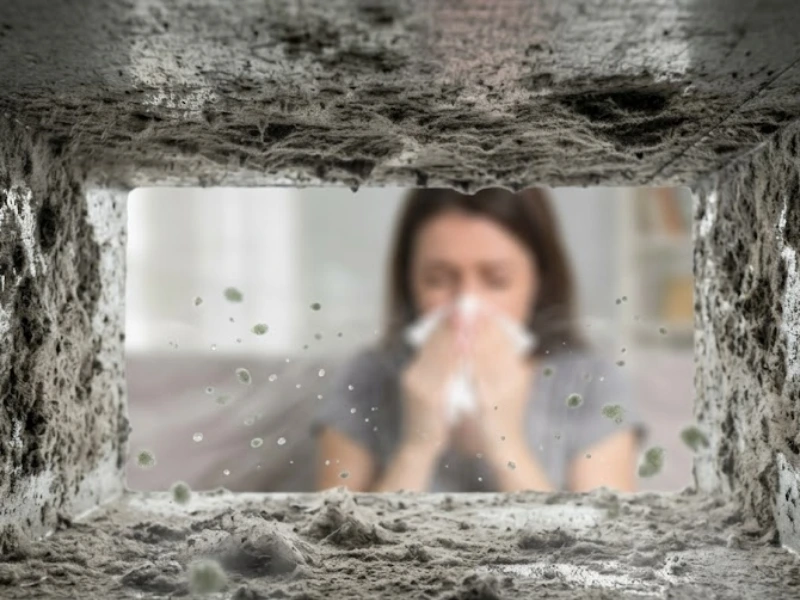
Homeowners ignore the notion that the HVAC system contributes to their health problems, and others are confused. So when our team is on site for maintenance and gets asked about it, they explain that their concerns about air ducts making them sick are real. If you are having concerns about air ducts making you sick, keep reading.
Our air duct cleaning team has shared some interesting insights explaining how dirty air ducts can cause health problems, signs your ducts and vents are making you sick, and how professionals clean.
How Dirty Air Ducts Cause Health Issues
Our team explains that neglected ducts act as hidden paths for pollutants. The U.S. Environmental Protection Agency (EPA) also notes that biological contaminants such as dust, mold spores, and pet dander are major contributors to poor indoor air quality, elevating asthma and respiratory conditions.

- Dust buildup: Every day, particles such as skin cells, dirt, and fibers are deep inside ducts and are redistributed into rooms.
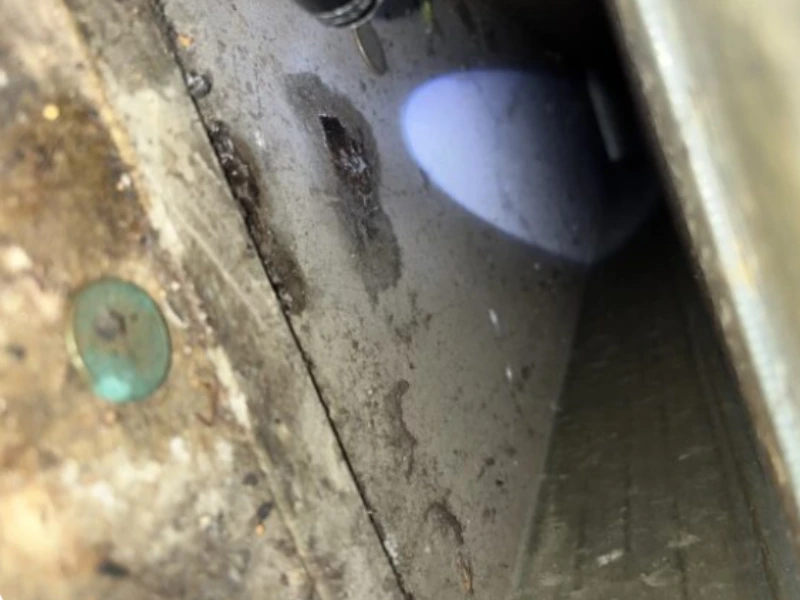
- Mold growth: Moisture from leaks or condensation forms mold colonies, releasing spores that trigger asthma and allergy issues.
- Pollen and allergens: Seasonal allergens enter ducts, worsening hay fever and sinus problems.
- Pest infestations: Rodents or insects leave droppings in ducts, which add bacteria and irritants to the airflow, compromising indoor air quality.
Air Ducts Making You Sicker Than Ever: 5 Signs That Prove
In our experience, homeowners often struggle to understand or recognize how their air ducts are making them sicker, and think of it as a normal health issue, until it escalates.
So, below are some obvious signs that show how air ducts make you sicker without you even realizing it:
Sign 1. Allergy Spike Indoors
If you or your family members struggle with sneezing, sinus congestion, itchy eyes, or a runny nose, dirty air ducts are also part of the problem. The American Lung Association explains that allergens such as dust, pet dander, and pollen trapped in ductwork can worsen hay fever and asthma, leading to indoor air quality problems.
How a sudden spike of allergens from air ducts worsens allergies:
- Spreading dust and pollen irritates the nasal passages and sinuses.
- Pet skin flakes and fur fragments get stuck in ducts and trigger allergies as they enter rooms with each continuing HVAC cycle.
- Mold spores flourishing in damp ductwork often cause asthma flare‑ups.
Sign 2. Frequent Respiratory Troubles
Unlike allergy flare‑ups, respiratory problems linger and worsen over time when ducts are dirty. If coughing, shortness of breath, wheezing, or chest tightness seem to happen mainly at home, your HVAC system may be throwing polluted air.
The U.S. Environmental Protection Agency (EPA) warns that mold, bacteria, and dust mites inside ductwork can cause severe asthma, bronchitis, and even chronic obstructive pulmonary disease (COPD).
Why dirty air ducts affect lung health:
- Chronic coughing suggests that airborne irritants are constantly inflaming the throat and lungs.
- Asthma flare‑ups are amplified when spores and allergens narrow the airways, blocking space, making breathing more difficult.
- Existing conditions worsen as polluted airflow continually increases stress on already weakened lungs.
Sign 3. Regular Fatigue & Persistent Headaches
While allergies and breathing issues are the most obvious red flags, dirty air ducts can also affect your energy levels and give you headaches. Homeowners often miss this connection, but poor indoor air quality has been associated with frequent headaches, dizziness, and fatigue.
VOCs are gases released from household paints, cleaning agents, adhesives, and even new furniture. When these compounds settle or off‑gas indoors, your HVAC system can drag them into the ductwork. EPA notes that long‑term exposure to VOCs can upset the respiratory system, cause nausea, and headaches.
How other pollutants from dirty air ducts influence your energy levels:
- Mold toxins released in damp ductwork can induce dizziness and headaches, often described as “brain fog.”
- Bacterial pollutants dispersing in ducts may also lead to chronic fatigue symptoms by stressing the entire immune system.
Sign 4. Excessive Dust Gathering
If you observe dust settling quickly on furniture and surfaces after cleaning, your ducts may be spreading debris throughout the home. Clogged filters and leaky ductwork allow dust, dirt, and pollutants from attics or crawl spaces to circulate indoors, worsening air duct contamination symptoms.

How ducts increase dust levels, causing health issues:
- Dust buildup inside HVAC systems is blown back into rooms during each cycle.
- Clogged filters fail to trap airborne particles, which allows them to spread throughout.
- Leaky ductwork pulls in dirt and allergens from unconditioned spaces, adding to house dust.
Sign 5. Musty/Moldy Odors Released From Vents
Unpleasant odors coming from vents are more than a nuisance; they’re often a warning sign of mold growth inside ductwork. Some molds produce mycotoxins that can cause long-term health issues.
Why moldy ducts are a problem:
- Mold spores irritate the respiratory tract, which causes coughing and sinus congestion.
- Long-time exposure can trigger chronic sinus infections and worsen asthma conditions.
- Mycotoxins released by certain molds are linked to severe health risks, including immune suppression.
How to Clean Air Ducts: Cleaning Tips and When to Call Pros
Our team believes proactive cleaning steps are crucial for maintaining healthier airflow. Homeowners can handle routine, simple cleaning tasks, but deeper duct cleaning and sanitization should be assigned to licensed professionals for lasting results.
Here’s what our team thinks is doable at home:
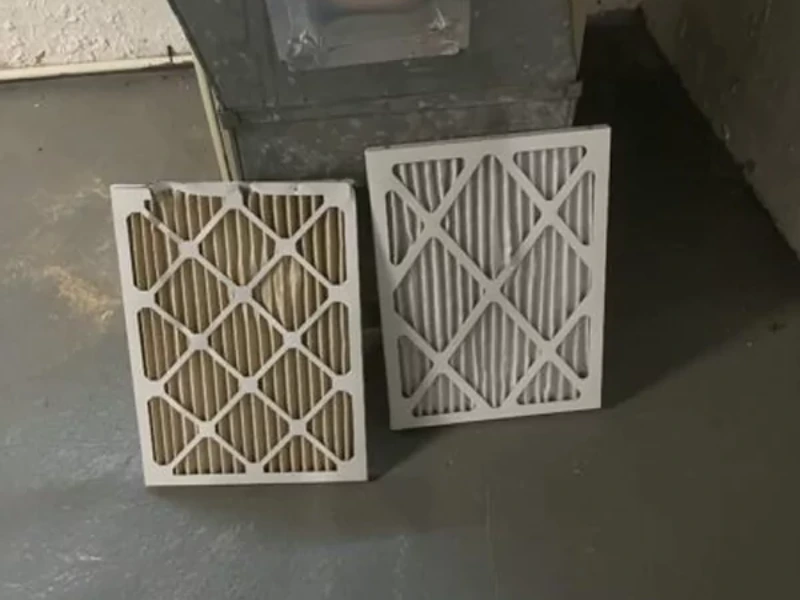
- Replace HVAC filters every 1 to 3 months to trap dust, pollen, and pet dander before they circulate.
- Vacuum vents and registers frequently to prevent dust buildup from re‑entering rooms.
- Control moisture with dehumidifiers or improve ventilation to stop mold growth inside ductwork.
Schedule professional air duct cleaning for tasks such as:
- Removing deep‑set dust, debris, and pollutants that are unreachable or difficult to clear with household vacuums.
- Cleaning mold spores, bacteria, and pest droppings that compromise indoor air quality.
- Fixing airflow efficiency and ensuring ducts are sanitized for healthier circulation.
How Professionals Clean Air Ducts?
HVAC systems, in general, are tough to clean, especially if the ductwork is complex. Also, it’s best to have professionals clean air ducts, especially when the health of family members is a priority.
Here’s what you can expect from our air duct cleaning expert crew:
1. Complete system inspection and airflow assessment to identify blockages, buildup, and overall system condition accurately.
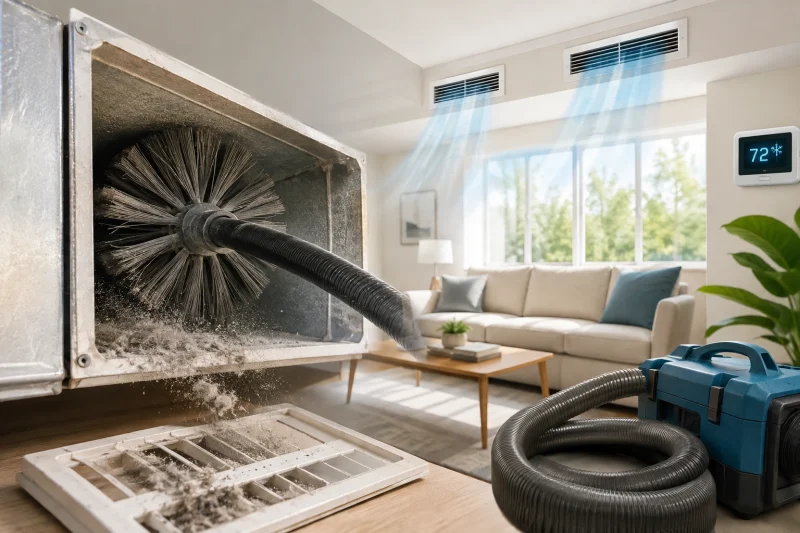
2. Use of advanced high‑powered vacuum removal to remove dust, debris, and contaminants from deep within ductwork for thorough system cleaning.
3. Vent and register are cleaned to eliminate dust buildup and facilitate consistent airflow throughout the home.
4. Sanitization and deodorization using safe sanitizing agents to decrease bacteria, mold, and odors inside the duct system.
5. Final system check by technicians after cleaning to ensure proper airflow, cleanliness, and optimal HVAC system performance before service completion.
Let Our Air Duct Cleaning Specialists Take Care of Your HVAC System
Are air ducts making you sick through allergies, fatigue, and respiratory strain? Yes, so don’t ignore duct care, as it leaves you exposed to hidden contaminants. Self-cleaning is limited to certain areas and is not entirely feasible. Allow professionals to clean ducts to restore efficiency, safeguard health, and keep your HVAC system in optimal condition.

At Green-Gen Carpet & Fine Rug Cleaning, we have NADCA-certified experts to provide the best air duct cleaning services. They will use industrial-grade tools and techniques to clean ducts alongside eco-friendly options to effectively remove allergens, dirt, and residue that cause contamination.
Give us a call to schedule your air duct cleaning session and secure your house environment.
FAQs
Q. What happens if you never clean your air ducts?
Neglected or never-cleaned ducts accumulate dust, mold, and allergens, which circulate through your home and compromise indoor air quality. Gradually, this can worsen allergies, respiratory issues, and reduce HVAC efficiency.
Q. How often to clean air ducts professionally?
Our in-house experts recommend you consider professional duct cleaning every 3 to 5 years, though homes with pets, smokers, or allergy sufferers may need it more often to maintain healthier airflow. Contact us to know more.
Q. What time of year is best for duct cleaning?
Spring air duct cleaning is ideal, as cleaning after winter removes dust, mold, and allergens built up during closed‑window months, preparing your system for heavy summer use.
Q. Is duct cleaning a waste of money?
No, it’s not a waste of money, especially when performed by licensed professionals. Duct cleaning reduces contaminants, improves HVAC efficiency, and supports better indoor air quality, making it a valuable investment.