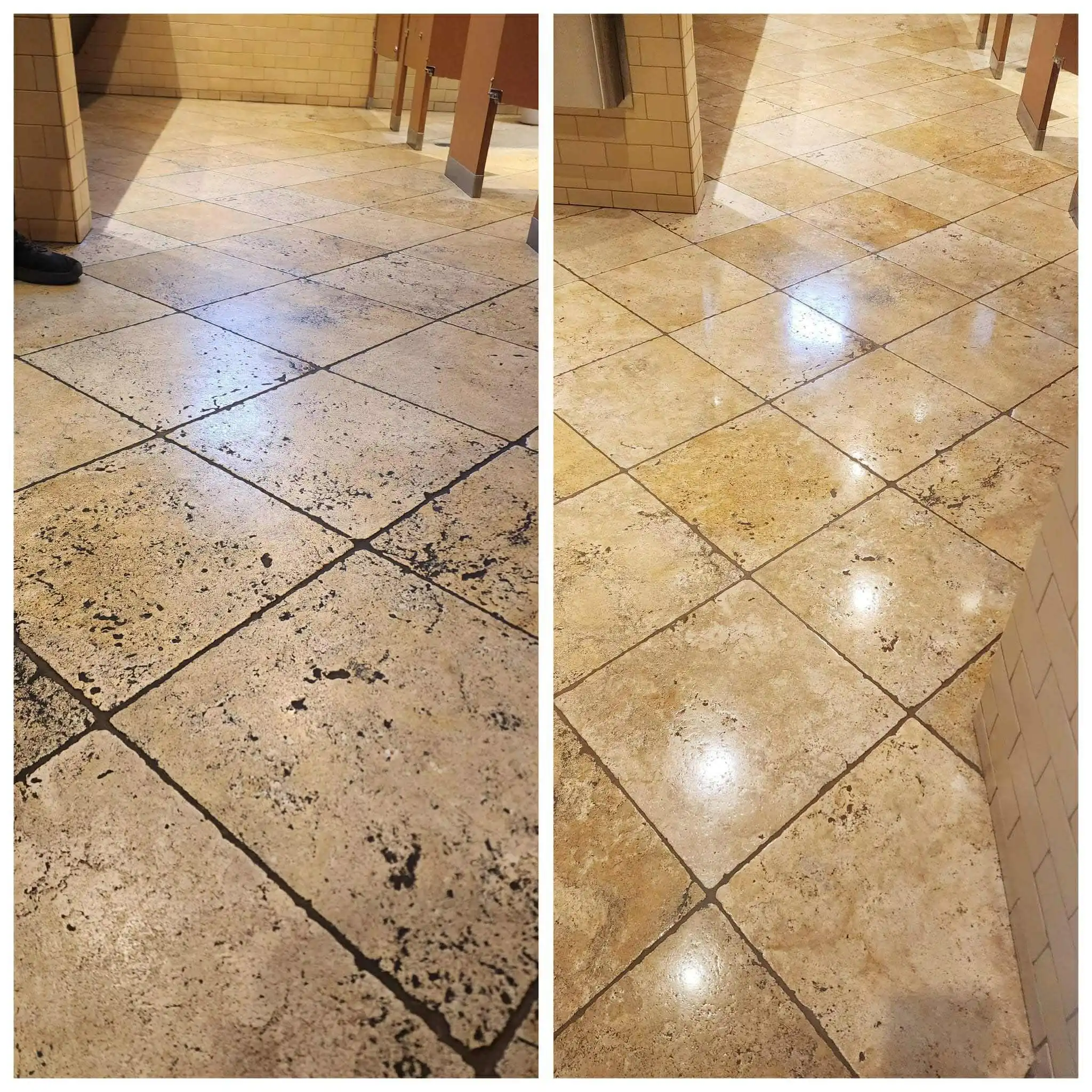
Every homeowner is aware that a shiny tile surface and sharp grout line set the tone of the house, making it brighter, cleaner, and welcoming. Tiles and grout in the house appear strong, but they take a continuous beating from daily usage, spills, and moisture.
Grout absorbs moisture and dirt, fostering bacterial growth, while tiles lose their shine because of the residual buildup from spills and heavy foot traffic. Hence, a thorough cleaning of tile and sealing of grout is essential to maintain a strong and hygienic surface.
In this blog, you’ll find tile & grout cleaning tips that are helpful for homeowners and in 2026 to maintain decor while retaining grout strength and tile shine.
Tile & Grout Cleaning Tips For Home Owners in 2026
Tile & grout are constantly exposed to dirt, spills, and moisture, making it seem tough to clean. However, with advanced preparation, following the tile & grout cleaning tips becomes easier.
Below is a quick checklist of things to consider for advanced preparation:
- Pinpoint the issue: Before initiating tile and grout cleaning, pinpoint whether there is a staining, scratching, discoloration, or cracking issue. Knowing the exact issue helps tailor a specific cleaning approach for tile & grout cleaning for the desired results.
- Identify the tile & grout type: Different tile and grout types react differently to various cleaning solutions. So, identify the tile type that is glass, ceramic, porcelain, or natural stone, and grout: cement-based or epoxy. This helps you select a proper cleaning solution, reducing the risk of damage.
- Gather necessary tools: For tiles, collect a vacuum, broom, mop, bucket, and microfiber cloths. For grout, have a nylon brush, baking soda, hydrogen peroxide, and grout sealer. Gathering these tools and materials saves time, enabling focused cleaning.
- Prepare the area: A blocked area makes cleaning the tiles tough. Remove belongings from the kitchen, bathroom, or living area to expose tile and grout before you begin cleaning.
- Test solutions: Spot-test the solutions or cleaners to check if there’s any visible discoloration, damage, or etching. This precautionary action ensures the safety of tiles and grout.
- Plan separate methods: Tiles and grout co-exist together, but are made of different materials and have distinctive characteristics. Tiles are hard and non-porous, whereas grout is porous and absorbing. Cleaning both at once will push the dirt from the tiles into the grout lines.
Tile Cleaning Tips for a Shiny Surface
You know why cleaning tile and grout properly requires separate methods for better results. Below are some of the tips you can consider for cleaning tiles in your house:
Tip #1. Daily sweeping of tiles
Accumulation of dirt and sand scratches the tiles. A regular broom swipe prevents tile scratching. Swipe your tiles, especially near highly active areas such as the kitchen or the living room. A sweeping session followed by vacuuming helps keep tiles clean for a longer duration.
Tip #2. Mopping of tiles
Mopping removes tiny dusty particles and gives tiles a polished look. Mop your tiles with warm water and use mild detergent. For natural stones or marbles, avoid using harsh solutions such as hydrogen peroxide to prevent etching.
Tips #3. Maintain a dry tile surface
A moist tile can attract dirt, leaving bad streak marks and a slippery floor. A slippery floor can put family members at risk. Use a clean microfiber cloth to dry the surface, keeping tiles fresh and safe for walking.
Tips #4. Quickly clean fresh spots from the tiles
Food, liquid spills, or soap material can leave stains if left on tiles. Spot them fresh as they are easy to remove with a quick wipe-out. Use a damp cloth to clear the fresh spots for a scratch-free and stain-free tile.
Tips #5. Regular cleaning of tiles
Tiles encounter daily heavy foot traffic and are always susceptible to staining, dullness, and scratching. Regular cleaning is critical to maintain its original fresh form.
Grout Cleaning Tips for Complete Protection
Now that you know the tile cleaning tips, let’s see the tips showing the best way to clean grout lines:
Tip #1. Use baking Soda for light stains
Liquid spills tend to stick with the porous grout; the absorption of liquid in grout lines generates light stains. Apply baking soda (mixed with water or vinegar) on a nylon brush and scrub it to lift stains without damaging or discoloring grout lines.
Tip #2. Use hydrogen peroxide for dark stains
A deep discoloration caused by tough, dark stains doesn’t respond well to mild cleaning solutions. Consider using hydrogen peroxide or oxygen bleach to clean. They penetrate through grout pores to break down discoloration and clean tougher stains.
Tip #3. Regular sealing of grout
Unsealed grout lines easily absorb moisture, forming stains, and become a breeding ground for mold and bacteria. Regular sealing keeps grout lines together and repels moisture, preventing stains and molds.
Tip #4. Limited use of bleach
When hydrogen peroxide and oxygen bleach fail to clear stubborn stains, bleach is an option to clear stains or disinfect bacteria. However, if used frequently, it weakens and crushes the grout lines. A controlled bleach usage ensures the grout stays intact.
Get Professional Tile and Grout Cleaning Done Now!
Tile & grout cleaning tips are practical for regular maintenance, helping you manage everyday dirt and light stains, but they struggle to deal with long‑set discoloration or restoring original surface shine. You need a deep cleaning tile and grout service that offers a rigid solution to persistent grout and tile cleaning problems.
We at Green-Gen Carpet & Fine Rug Cleaning have IICRC-certified technicians for advanced tile and grout cleaning, eliminating stubborn stains, mold, and buildup, and restoring the shine of your tile surfaces. We use Green Seal Certified organic, non-toxic cleaning products specially formulated for exceptional performance and deep cleaning, ensuring no nasty residues or dangerous chemicals are left behind.
Call us now for a deep cleaning of your tiles and grout.
FAQs
1. Can you put new grout on old grout?
You can put new grout on old one, but it’s not recommended. It compromises the longevity of grout; also, the new grout fails to bond well with the older one, risking permanent damage.
2. How often do I deep clean tile & grout?
We recommend deep cleaning tile and grout every 6-12 months. However, based on deep cleaning tile & grout every 3-6 months if there’s heavy foot traffic near kitchens, entryways, living rooms, or bedrooms.
3. Is steam cleaning tile and grout worth it?
Steam cleaning tile and grout sanitizes tiles using water and steam, penetrates grout to lift stains without using harsh or abrasive chemicals, definitely worth it.
4. What are the signs that my grout needs resealing?
Conduct a simple water-dropping test. Drip some water on the grout lines. If it darkens or absorbs the water, resealing is required.