As a responsible homeowner, you keep your house clean with regular vacuuming, dusting, and scheduling occasional professional cleaning. Yet, dirt builds up in carpets, upholstery, curtains, kitchen countertops, air ducts, and almost every area of the house. To maintain hygiene, you need to consider seasonal deep cleaning.
We share this guide based on insights from our cleaning specialists. It explains what whole house deep cleaning involves, how you can do it yourself, and when to call in the professionals to maintain long-lasting results.
Understanding Dust Accumulation in the House Across the Seasons
Seasonal deep cleaning is a year-round thorough cleaning aimed at removing dust and debris from the house — for instance, removing pollen in summer. Knowing which areas accumulate debris in different seasons helps plan cleaning accordingly. Let’s have a closer look at it:
- Winter Season
The cold temperatures during winter limit ventilation within the house. The dirt and allergens build up faster indoors. Fireplaces and candles used inside leave soot and smoke residue on walls, ceilings, and nearby fabrics.
Additionally, grease and grime build up on kitchen surfaces, while continuous traffic near living areas increases dust on the floors.
For winter deep cleaning, prioritize: Fireplace surrounds and nearby walls, degrease ovens, and dusting living room surfaces and bedroom furniture.
- Spring Season
Spring is refreshing, but pollen and dust particles spread indoors quickly. These particles settle into your upholstery fabric, carpets, and air ducts. This compromises indoor air quality. Moisture from rain gets into your shoes and sticks to the carpets and rug fabric.
For spring deep cleaning, prioritize: cleaning air ducts to remove allergens, carpets and entry rugs to lift soil, and upholstery fabrics where pollen collects.
You may find this interesting: Spring carpet cleaning benefits
- Summer Season
Hot, humid conditions in summer allow mold growth. These infestations are found more in HVAC systems, near basements, and in bathrooms. Cooking residues also attract pests, which compromise hygiene. Open windows and doors often allow dust to settle onto the rug, carpet, and upholstery.
For summer deep cleaning, prioritize: cleaning bathroom grout and basement surfaces to prevent mold, degrease kitchen counters and undersides of appliances, and wipe entryway furniture where dust settles.
- Fall Season
As temperatures drop, homes close up for winter — windows and doors stay shut, and the HVAC system starts running again after months of inactivity. This traps dust, pet dander, and summer debris indoors while pushing built-up dust from vents and ducts back into circulation. Falling leaves and outdoor debris are also tracked in on shoes, adding grit to entryways and carpets.
For fall deep cleaning, prioritize: cleaning entryway carpets and mats to remove tracked-in leaves and debris, replacing HVAC filters and scheduling duct cleaning before winter use, and washing windows and curtains to clear summer dust before homes close up for the colder months.
Expert-Backed Tips For Seasonal Deep Cleaning
You know the seasonal challenges and what you must prioritize cleaning at that time. However, you need to plan it precisely for proper results. Here’s a quick deep clean checklist that our technicians suggest for seasonal deep cleaning a house:
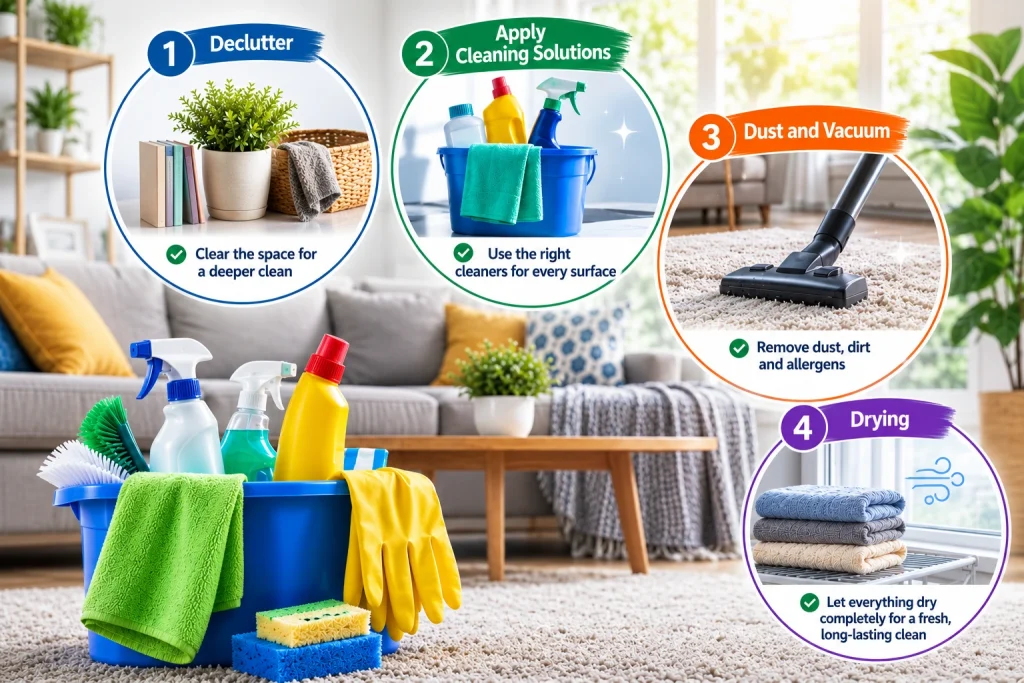
- Declutter: Remove mess and objects from the rooms to expose hidden dirt.
- Apply cleaning solutions: Use solutions to break down excessive allergens.
- Dust and Vacuum: Dust from top to bottom and remove dirt and debris with thorough vacuuming.
- Drying: Surfaces should remain moisture-free after solutions are applied to reduce the risk of mold and mildew growth.
These are the basic steps that you’ll follow while cleaning different areas of your house. Once you gather the necessary tools and solutions, here’s how you can proceed with deep cleaning:
1. Bathroom (Tile & Grout)
Declutter bottles and towels from your bathroom. Spray toilet, shower, and tub cleaner. Let it sit. While the solution breaks down organisms, wipe dust off vents and shelves. Vacuum hair and dust from sink and floor.
Now, scrub grout with baking soda paste or oxygen bleach. Wash the toilet and shower with soapy water. Clean faucet handles, flush lever, and switches with disinfectant for thorough sanitization. Once done, mop the floor and dry the mirrors, tiles, and faucets.
2. Kitchen Area (Countertops)
Remove expired food and clear clutter from your kitchen counters. Spray oven cleaner or degreaser inside the oven and on the stovetop. Let it dwell. While the solution works, dust cabinet tops and refrigerator coils. Vacuum crumbs from drawers, counters, and floors.
Scrub the stovetop, wipe the interior of the fridge, and run a dishwasher cleaning cycle. Sanitize the sink basin, cutting boards, and appliance handles. Wrap up with a thorough vacuuming and mopping of the floor, then dry the counters and other surfaces.
3. Bedroom (Mattresses)
Pick up clothes and clutter from the room. Dust fans, blinds, and nearby furniture. Vacuum the mattress and carpet to loosen dirt. Sprinkle baking soda on the mattress and vacuum. Apply fabric-safe cleaner on the fabric for thorough cleaning.
Wash sheets, pillows, and blankets. Dry the bedding and mattress with a final vacuum.
4. Living Room (Carpets, Rugs, Upholstery)
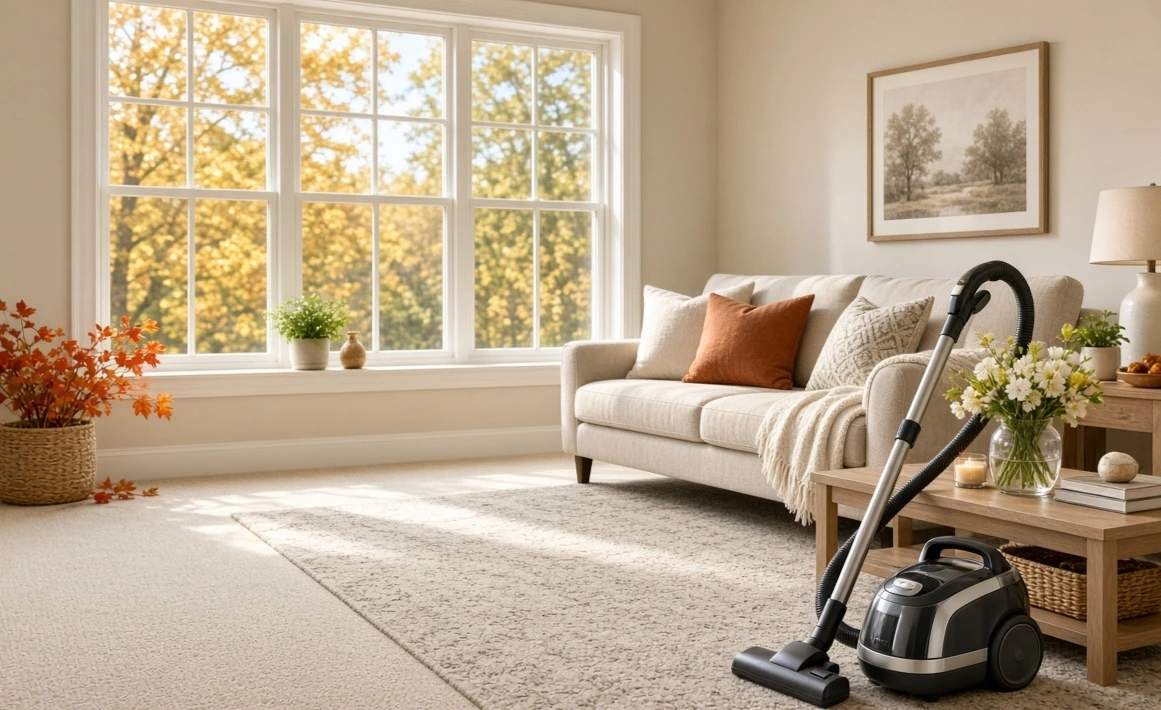
Remove magazines, toys, and any decor items within the area. Dust shelves, electronics items, ceiling fans, windows, and nearby curtains. Also, vacuum cushions, seams, and rugs to capture hair and dust. Deep clean carpets with a steam extractor (if available), polish wood furniture, and wipe baseboards.
Apply EPA Safer Choice cleaning solutions to stains or sprinkle baking soda on rugs to absorb odors. Once done, complete vacuuming or mopping the floor, then dry glass and other items with a microfiber cloth.
Key note: Clean the HVAC system, wipe vent covers thoroughly, vacuum out pet hair and dust, and replace filters to keep airflow fresh and efficient.
Signs to Call House Cleaning Specialists
While cleaning the house by yourself feels exciting, it’s challenging. In our experience, homeowners don’t exactly fail with planning but with execution. The tools are limited, and solutions used may not be as effective as industrial-grade ones.
It’s important to know when the cleaning task at hand is beyond DIY scope. You must consider scheduling a professional deep cleaning session at your home:
- Heavy pet dander, deep odors, or persistent stains
Regular vacuuming or standard rental extraction machines failed to pull soil from the backing of fibers. Residue stays trapped, and stains resurface. Professionals use hot‑water extraction to help lift and remove embedded debris without overwetting, preventing mold or shrinkage.
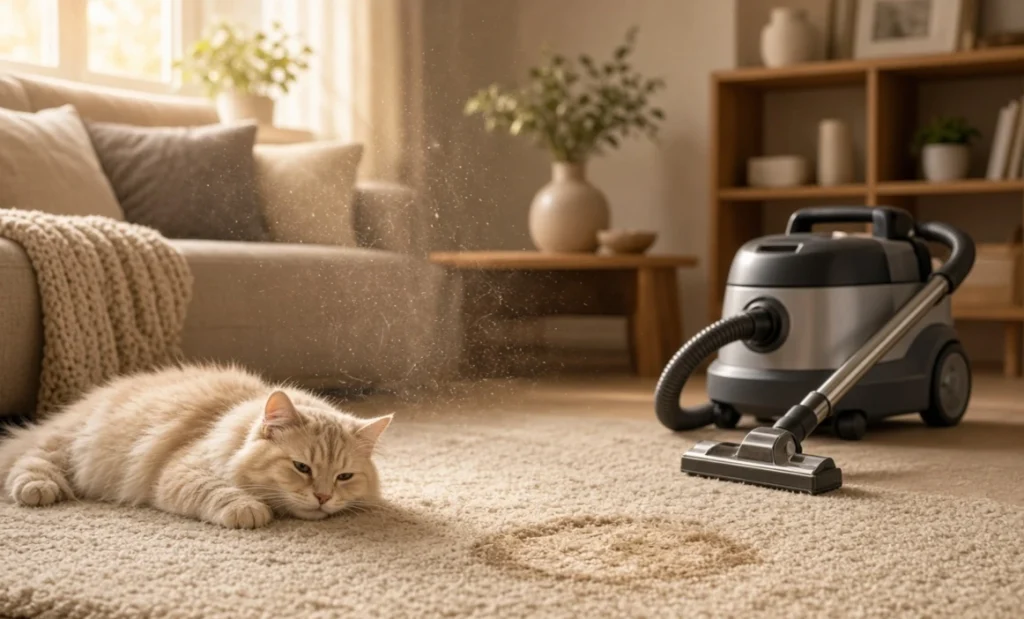
- Lingering odors from pets, smoke, or mildew
DIY sprays and deodorizers only mask smells on the surface of carpet fabric or upholstery. They don’t penetrate padding, backing, or ducts, so odors re‑emerge once the effect wears off. Professionals use enzyme-based treatments or deep extraction methods to neutralize odors at the source. - Allergy flare-ups despite thorough cleaning
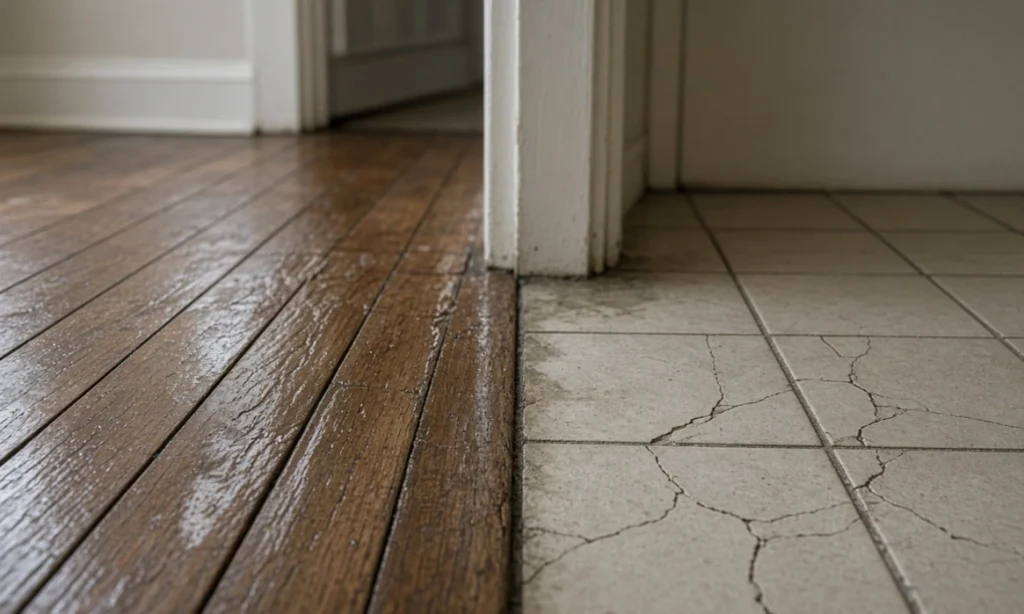
Home vacuums and wipes capture visible dust but miss microscopic allergens. Pollen, dander, and mold spores remain in carpets and ductwork, so symptoms persist even after repeated DIY cleaning. Specialists use quality vacuums, precise air duct cleaning strategies, and antimicrobial treatments to remove allergens and improve indoor air quality. - Flooring damage such as warped hardwood or cracked tile
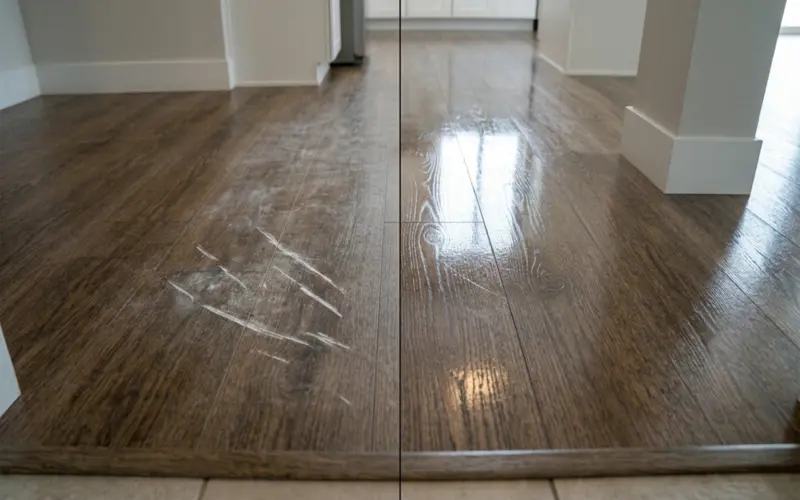
DIY mopping with excess water, powerful solutions, or repeated scrubbing weakens flooring. Instead of fixing the issue, these actions accelerate warping, cracking, or loosening. Professionals use moisture meters, drying systems, and resealing techniques to keep structure intact and repair floors safely.
- HVAC issues (weak airflow, visible mold inside vents, or clogging)
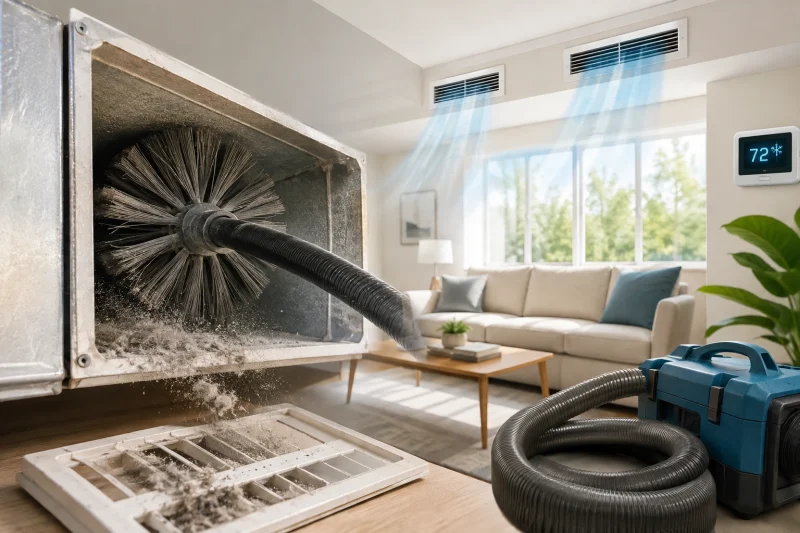
You dust vent covers, but barely access the interior duct buildup. Mold and debris continue restricting airflow, so DIY efforts appear ineffective. Air duct technicians clear debris and mold using effective tools and techniques, while restoring airflow. - Feels too overwhelming or limited tools available
DIY cleaning across multiple rooms is exhausting. Limited tools make the task even more time-consuming, causing frustration. It’s better to call professionals in such situations.
Team Up with House Cleaning Specialists For Quality Results
A seasonal deep cleaning requires thorough planning. You can follow basic DIY techniques to clean different areas, but it’s equally important to accept when it’s not working. Reaching out to professionals minimizes chances of mold growth, maintains a healthy environment, and most importantly, saves time.
At Green-Gen Carpet & Fine Rug Cleaning, we have a team of IICRC-certified experts who provide the best house cleaning services in Chicago & surrounding suburbs. The team uses modern tools and techniques along with Green Seal-certified cleaning products, which safely remove dirt and debris without leaving residues. You can expect our technicians to treat your home with care and clean efficiently.
FAQs
Q. What is the 80/20 rule house cleaning?
The 80/20 rule for house cleaning suggests that 20% of your efforts can help achieve 80% of visible results. Once you prioritize decluttering and clean high-impact areas such as kitchen countertops, entryways, bathrooms, and floors, your house looks clean in no time.
Q. What areas are often missed during deep cleaning?
Areas missed during a deep clean include baseboards, ceiling fans, light fixtures, and behind appliances. These spots may appear irrelevant but often collect hidden dust, grease, and allergens that regular surface cleaning doesn’t reach.
Q. How many times a year should I clean my house?
Most homes benefit from a deep clean 2 to 3 times a year. This means cleaning every 4 to 6 months. Busy homes with pets, kids, or allergy concerns should consider cleaning quarterly, while low‑traffic homes can stretch to twice annually.
Q. How much should I expect to pay for a deep clean?
A deep cleaning of a house will cost roughly about $200 to $500, with most 3‑bedroom homes averaging $300 to $350. However, prices vary for larger homes, heavy buildup, or add‑on services such as carpet cleaning, upholstery cleaning, or window washing.